Custom Home Builder Design: Your Vision, Our Proficiency
Designing a custom home with a builder signifies a essential intersection of individual vision and professional craftsmanship. Throughout the process, homeowners face various challenges, from budgeting to unexpected site issues. Grasping these complexities is imperative for achieving a successful outcome. Working collaboratively with a builder can enhance the experience significantly. Yet, many may overlook critical aspects that can make or break their dream home. What are the core steps required to ensure that vision becomes reality?
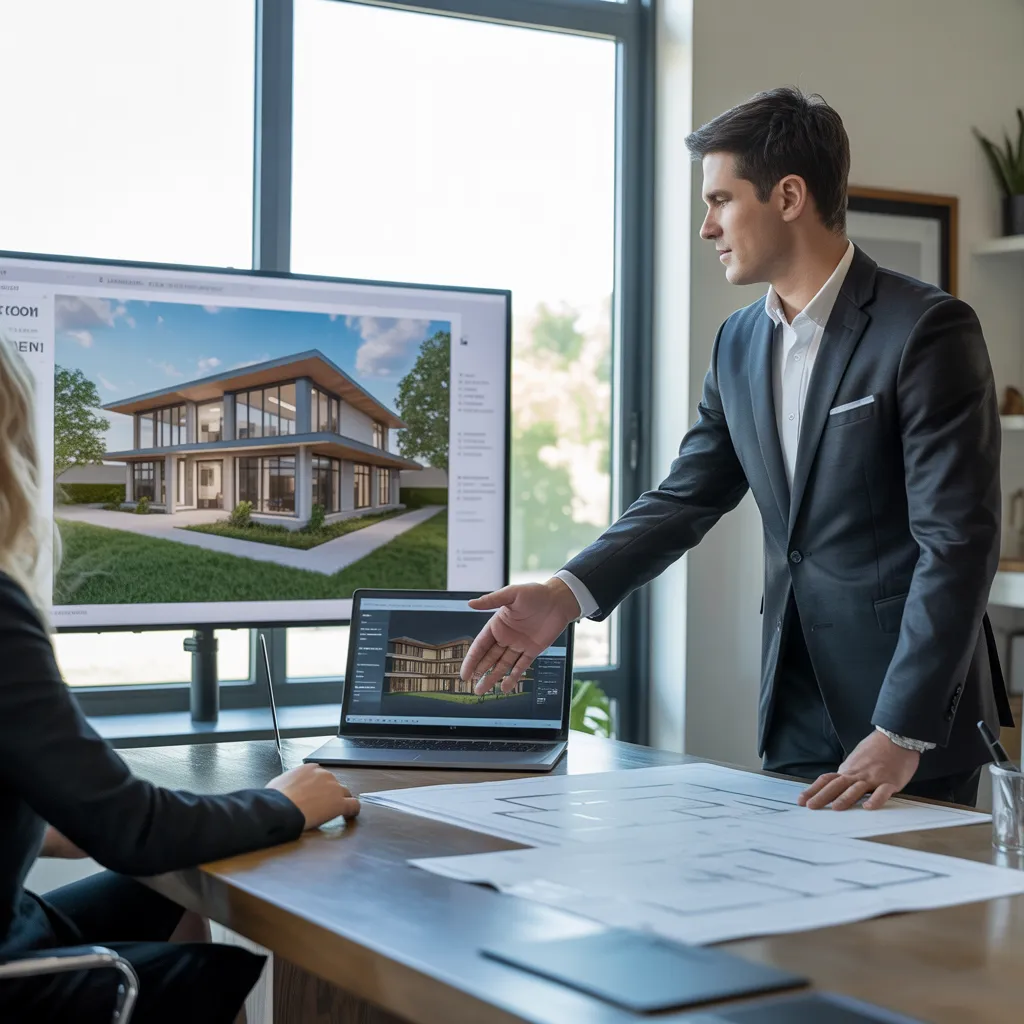
What to Know When Building Your Made-to-Order House: Standard Hurdles and Approaches
Building a bespoke residence can be an thrilling but intricate journey. Prospective homeowners often face common challenges that can occur during the construction process. One prevalent issue is managing timelines, as delays can stem from various factors such as weather conditions or supply chain disruptions. To mitigate this, strong dialogue with the builder and regular progress check-ins are crucial.
Another obstacle involves managing design changes, which can happen as homeowners improve their vision. Establishing a clear, detailed plan from the beginning can help reduce alterations and related costs.
Budget restrictions also constitute a significant hurdle, often prompting compromises on desired features. Homeowners should give precedence to their key essentials and show flexibility to uncover suitable alternatives.
Ultimately, unexpected site issues, such as soil stability or local ordinances, may surface, requiring prompt solutions. Employing qualified specialists can assist in addressing these difficulties efficiently, providing a more streamlined building experience.
Budgeting Suggestions for Your Dream Home
When planning a custom home, setting a clear budget is essential. Homeowners should define their preferences, investigate multiple funding alternatives, and account for unexpected expenses. These measures can help ensure that the dream home remains financially feasible throughout the construction phase.
Identify Your Primary Concerns
How can one effectively prioritize their budget when starting the journey to create their dream home? First, it is crucial to recognize key features that matter most, such as layout, size, and energy efficiency. Focusing on these elements helps allocate funds more effectively. Next, setting up a budget range directs choices, allowing homeowners to distinguish between essential items and nice-to-haves. It's important to account for unexpected costs; setting aside a emergency reserve can avoid financial strain. Researching materials and surfaces in beforehand can also assist in taking educated decisions. Finally, involving a custom home builder soon in the project can provide helpful guidance on cost-effective solutions, guaranteeing that the completed plan aligns with both goal and budget.
Explore Funding Options
Exploring financing options is an essential step in the process of building a dream home. Homebuyers should start by evaluating their budget, determining how much they can afford without compromising financial stability. Traditional home loans are a common option, but alternatives like construction loans or personal loans can also be considered. It's important to evaluate interest rates and terms from various lenders to find the best fit. Additionally, securing pre-approval can streamline the building process and strengthen negotiating power. Buyers should also factor in additional costs such as land acquisition, permits, and construction insurance. By clearly understanding their financing landscape, homeowners can effectively navigate the path to their ideal custom home.
Prepare for Uncertainties
Anticipating contingencies is essential when financing a dream home. Home building often uncover surprising obstacles, such as fluctuating construction expenses or unforeseen building issues. To alleviate financial stress, specialists advise setting aside at least 10-15% of the total budget for contingencies. This cushion can address unexpected matters without derailing the project. Additionally, sustaining clear dialogue with the custom home builder ensures that any emerging issues are quickly addressed, cutting down on postponements and extra expenses. Homeowners should also think about including a safety net in the schedule, allowing room for potential delays. By deliberately preparing for unexpected costs, homeowners can establish a more resilient financial plan and improve the odds of achieving their ideal residence within their financial limits.
Creating Your Home Design Vision: Room Arrangement, Style, and Performance
Defining a home design vision requires a clear understanding of personal style preferences, the practical use of areas, and the overall floor plan dynamics. By identifying these key elements, homeowners can create a harmonious environment that fulfills their needs and aesthetic desires. This process is essential for transforming a dream home into a practical reality.
Discovering Your Design Favorites
How does one accurately pinpoint their design tastes when imagining a custom home? To begin, individuals should consider various architectural styles, such as modern, traditional, or farmhouse, by looking online and checking out model homes. Creating a mood board with images, shades, and patterns can help clarify visual preferences. Additionally, examining personal belongings and existing home decor can uncover intrinsic tastes. Engaging in conversations with friends or family about their design choices may also spark inspiration. Ultimately, reflecting on lifestyle needs and aesthetic desires will assist in narrowing down options. This process not only builds self-awareness but also secures that the final design feels personal, setting a solid foundation for the custom home journey.
Prioritizing Space Functionality
Comprehending personal style preferences sets the stage for emphasizing functional space design in a custom home. This requires identifying how each area will be used and guaranteeing that the design accommodates these needs. Well-designed areas should promote ease and productivity, accommodating activities such as cooking, entertaining, or relaxation. Attention to natural light, traffic patterns, and furniture placement is crucial in this phase. Additionally, integrating versatile features, like built-in storage or convertible spaces, can enhance usability. The goal is to establish a harmonious balance between aesthetics and practicality, ensuring that each room serves its intended purpose while reflecting the homeowner's unique vision. Ultimately, prioritizing functionality elevates the overall living experience in a custom-built residence.
Optimizing Layout Flow
Optimizing the flow of a layout enhances the overall experience of a custom home by ensuring that spaces connect smoothly and function as one cohesive unit. A well-designed layout encourages ease of movement, allowing inhabitants to shift gracefully from one room to the next. Important aspects include aligning key spaces, such as the kitchen, dining, and living areas, to stimulate interaction while preserving privacy within bedrooms and bathrooms. Incorporating open concepts can further boost connectivity, making rooms appear more spacious and inviting. In addition, careful placement of windows and doors maximizes natural light, contributing to a balanced ambiance. By prioritizing layout flow, homeowners can develop an environment that not only mirrors their vision but also enriches everyday living, ultimately increasing the value of their custom home.
Why Personalization Is Essential for Your Home Aesthetic
Customization serves as a vital component of home design, since it enables homeowners to design an environment that mirrors their individual tastes and way of living. By adding personalized touches, including bespoke floor plans. chosen materials, and unique final touches, homeowners can guarantee their living space meets their practical requirements and visual preferences. This approach cultivates feelings of belonging and attachment to the home, improving general contentment.
Furthermore, customization can significantly enhance a home's functionality. For example, creating areas that cater to family dynamics or particular hobbies can lead to a more balanced living experience. As trends develop, customized layouts can also adapt to changing needs over time, guaranteeing longevity and applicability.
Ultimately, the importance of customization in home design lies in its power to convert a house into a true access now home, where every detail is thoughtfully considered to strengthen the owner's everyday life. The result is a unique sanctuary that truly expresses the owner's vision.
How Can You Partner Productively With Your Builder?
Effective partnership with a builder is imperative for effectively manifesting a homeowner's vision to life. Clear communication takes precedence of this partnership. Homeowners should articulate their wishes and standards, confirming that the builder fully understands their goals. Regular updates and meetings can facilitate this exchange, giving both parties to handle worries and modifications without delay.
Establishing a timeline and budget in advance forestalls conflicts. Homeowners must remain willing to adapt, as revisions could develop due to surprising factors or updated information during the construction process. Trusting the builder's proficiency is paramount; they can provide valuable input based on extensive background and sector guidelines.
Additionally, adopting a collaborative platform or organizational system can improve interaction and monitor headway. Ultimately, a effective partnership between the homeowner and construction firm centers on equal regard, transparency, and a common purpose to the endeavor, bringing a objective into reality.
Picking Surface Options and Finishes for Enhancing Your Home's Appearance
Choosing the right materials and finishes is crucial, as it significantly impacts the general look and performance of a custom home. The choice of materials, from flooring to countertops, can substantially alter the home's atmosphere, whether targeting a modern, rustic, or eclectic style. Premium finishes not only improve appearance but also promote durability and maintenance ease.
Homeowners should evaluate factors like color selections, material surfaces, and environmental responsibility. For illustration, natural wood can impart warmth, whereas sleek metals might convey a modern aesthetic. Introducing environmentally conscious options can complement personal beliefs and contemporary style directions.
Moreover, the collaboration between materials can create a cohesive look, permitting spaces to move smoothly. Engaging with a knowledgeable builder can provide insights into the latest trends and timeless classics, ensuring that selections reflect the homeowner's vision while addressing practical needs. Ultimately, deliberate material selection is crucial to achieving a personalized and livable living space.
Learning Your Construction Schedule: What to Anticipate
How long will the construction process require? This question is vital for anyone beginning a personalized residence journey. Generally, the schedule can vary from several months to over a year, based on various factors. These include the complexity of the design, the dimensions of the property, and regional approval procedures.
The initial phase usually involves site preparation work and base structure work, which can take from a few weeks to a couple of months. Subsequently, framing and structural work work commence, often extending for several months. Interior finishing, which encompasses electrical, plumbing installation, and aesthetic details, can also change in duration.
Weather conditions or supply chain issues can cause postponements, making direct communication with the builder crucial. Understanding the construction timeline not only sets practical projections but also helps homeowners plan their relocation accordingly, facilitating a easier transition to their new custom-built home.
Often Requested Questions
In What Ways Can I Guarantee My Home Conveys My Personal Style?
To secure a home displays personal style, one should determine your tastes, collect ideas, and consult professionals. Including special touches, colors, and textures allows for a space that genuinely embodies individual taste and lifestyle.
What Permits Are Necessary for Building a Personalized Residence?
To erect a custom home, critical authorizations typically include a construction permit, zoning clearance, electrical and plumbing authorizations, and possibly environmental assessments. Consulting regional officials guarantees adherence to building codes and streamlines the construction process.
Can I make changes throughout the construction phase?
Yes, alterations can be made during the building phase. However, they may affect the timeline and cost. It's vital to communicate any modifications with the builder to guarantee feasibility and proper alterations are managed.
What's the Right Approach to Pick a Builder for My Project?
Finding the right builder demands researching their credentials, assessing past projects, gathering client reviews, and guaranteeing clear communication. Alignment with the constructor's perspective and understanding of the project scope are vital for a successful collaboration.
What Popular Design Movements Exist in Custom Homes Currently?
Modern design trends in custom homes include open floor plans, natural resources, smart home technology, simple design, and outdoor living spaces. These features underscore a rising focus on usability, green awareness, and integrated indoor-outdoor living.